Properties Ready for Construction and Development
Land Clearing & Lot Prep in Jacksonville for site preparation, property development, and large landscape projects
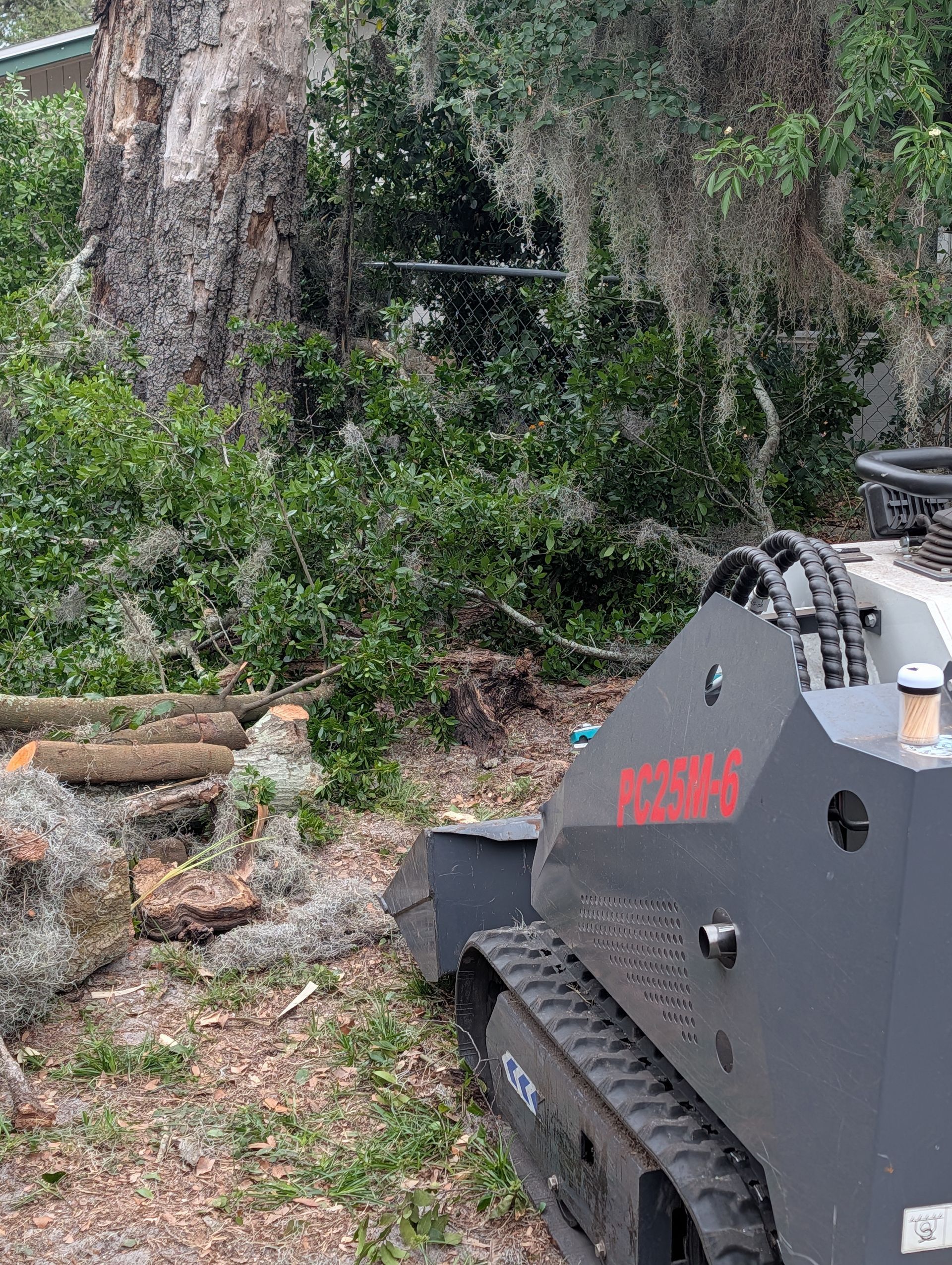
Wooded lots across Jacksonville require systematic removal of trees, brush, root systems, and surface debris before construction equipment can grade foundations or install utilities, and A1 All American Tree Service operates hauling fleets and heavy machinery designed to clear residential and commercial properties on schedules that align with contractor timelines. Site preparation involves more than cutting visible trees—crews remove stumps below grade, extract root masses that interfere with drainage systems, and haul brush piles that would otherwise require weeks of burning permits and manual labor. Northeast Florida properties often contain dense understory growth and mature hardwoods with extensive root spread that complicate excavation unless cleared properly before grading begins.
Land clearing services address overgrown lots purchased for new construction, commercial sites requiring full vegetation removal before pavement installation, and residential properties where selective clearing opens views or creates usable yard space without removing every tree. The process includes coordinating with surveyors to preserve boundary markers, identifying protected species that require relocation rather than removal, and staging debris hauling to avoid blocking neighbor access during multi-day projects.
Request a site evaluation to determine clearing timelines and equipment requirements for your development project.
What Proper Lot Preparation Requires
Lot preparation starts with marking trees designated for removal versus preservation, then proceeds with directional felling to avoid damaging retained vegetation, followed by stump grinding to depths specified by engineers or landscape architects. Hauling equipment removes material daily rather than allowing debris piles to accumulate, which prevents project delays when contractors arrive to begin grading or utility installation.
Once clearing is complete, you'll see open sight lines across the property, level ground free of tripping hazards and root obstructions, and clear boundaries that simplify surveying and construction layout. Development sites transition from wooded or overgrown conditions to prepared land where heavy equipment operates safely and foundation work proceeds without vegetation interference or unexpected root barriers that slow excavation.
Controlled clearing practices include evaluating soil stability around trees scheduled for removal, since root systems in sandy Northeast Florida soils sometimes hold embankments that erode rapidly after extraction. A1 All American Tree Service coordinates timing with erosion control contractors when site conditions require stabilization measures immediately following vegetation removal, and clearing plans account for seasonal rainfall patterns that affect site access and soil compaction.
Questions Before Starting Your Project
Developers and property owners preparing land for construction typically ask about permitting, protected vegetation, and how clearing workflows integrate with other site work.
What permits does land clearing require in Jacksonville?
Most residential lot clearing requires a tree removal permit from the city when removing trees above certain diameter thresholds, and commercial projects often need environmental review to confirm no protected species or wetlands are impacted by vegetation removal.
How long does it take to clear a wooded residential lot?
Clearing timelines depend on tree density, lot size, and access constraints, but typical residential lots with moderate tree coverage clear within two to three days including stump grinding and debris hauling.
Can you clear only part of a lot and leave some trees standing?
Selective clearing preserves mature trees designated for retention while removing surrounding vegetation, and crews mark preservation zones to avoid equipment damage to root systems or bark during adjacent clearing operations.
What happens to the wood and debris after clearing?
Material is hauled to licensed disposal facilities or processing centers where wood converts to mulch or biomass fuel, and debris volume determines the number of truck loads required to clear the site completely.
Will heavy equipment damage the soil or create drainage problems?
Equipment is sized to minimize ground pressure, but some compaction occurs during clearing operations, and grading contractors address soil preparation as part of normal site work following vegetation removal.
A1 All American Tree Service provides land clearing estimates that include equipment deployment, labor, hauling costs, and disposal fees based on site-specific conditions observed during walkthrough evaluations. Arrange a consultation to review your property and receive a detailed timeline for clearing work aligned with your construction schedule.